From Samples to Results: The Path of a Home-Based Paternity Test
The process of a home paternity test consists of multiple structured steps, beginning with the collection of samples. Cheek swabs from both the alleged father and child serve as the basis for DNA analysis. When the collected samples are delivered to the laboratory, cutting-edge procedures are utilized to evaluate genetic markers. The outcome can disclose vital information about genetic relationships, however the significance of these discoveries can be deeply impactful. Comprehending the process from specimen collection to final results is vital for everyone affected.
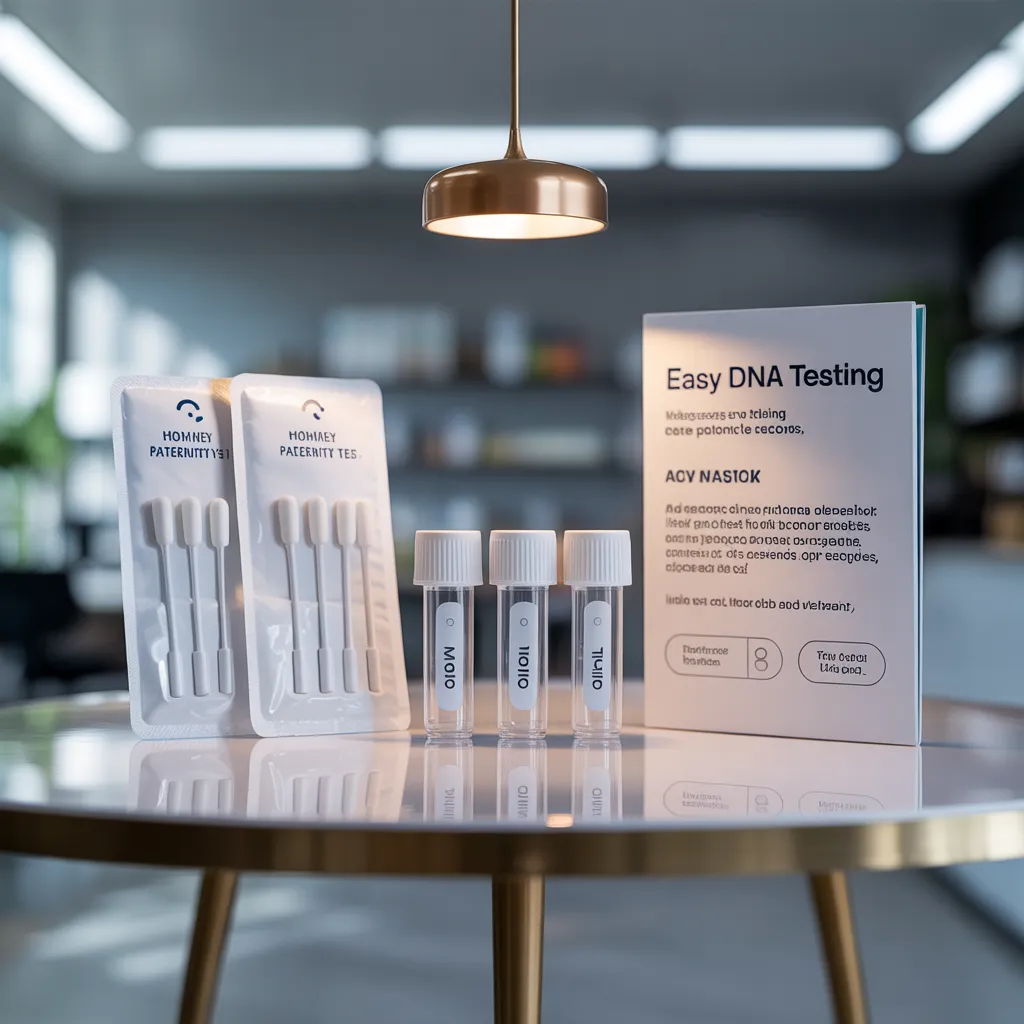
How Home Paternity Tests Work
At-home paternity tests work by employing straightforward yet reliable techniques to determine biological relationships. These tests process DNA material collected from the individuals involved, typically the potential father and the child. The procedure starts with the isolation of DNA from the collected samples, commonly gathered through cheek swabs. The DNA is then analyzed to detect particular genetic markers that are inherited from biological parents.
Each individual carries unique DNA, and by analyzing these markers, the test can establish the likelihood of paternity. Results are usually presented as a percentage reflecting the probability of a biological connection. A high percentage, generally exceeding 99%, indicates a strong likelihood of paternity, while lower percentages suggest the absence of a biological relationship. This straightforward methodology allows individuals to seek answers regarding familial ties from the comfort of their own homes, rendering paternity testing more convenient than ever before.
Collecting Samples: Step-by-Step Instructions
Collecting samples for a paternity test is a straightforward process that demands close attention to detail. First, participants must gather the necessary materials, which usually comprise buccal swabs, detailed instructions, and an envelope for sample collection. Every person participating should carefully wash their hands prior to beginning to avoid any contamination.
Following this, the cheek swab is employed to obtain cells by carefully rubbing it against the inside of the cheek for about 30 seconds. This needs to be completed for each person providing a sample, ensuring that the swabs do not touch each other. Upon completion of sample collection, each person must permit the swabs to dry naturally for a few minutes.
When fully dried, the swabs should be placed in the supplied envelope, which must be labeled correctly. To complete the process, the completed envelope should be sent to the designated laboratory for analysis, making sure that all directions are observed accurately to prevent any problems during the testing process.
What Can You Expect During Testing?
Once the samples have been sent to the laboratory, people can expect a structured testing procedure that adheres to strict protocols. Laboratories utilize advanced DNA analysis techniques to guarantee accurate results. All samples receive a careful and detailed assessment, where DNA is guide carefully retrieved and processed to determine key genetic characteristics.
The testing typically involves evaluating the DNA profiles of the presumed father and child. This analysis determines whether a biological relationship exists, with outcomes derived through a sequence of automated processes and manual verifications for quality assurance.
The complete process is structured to copyright confidentiality and integrity, with outcomes securely kept and disclosed only with approved parties.
Generally, testing takes several days to a few weeks, based on the testing facility's workload and procedures. Therefore, while clients are waiting, they can be confident that their specimens are being handled with the utmost care and precision.
Interpreting Your Home Paternity Test Results: What They Mean for You
How should one interpret the results of a home paternity test? Interpreting these results is crucial for people seeking answers regarding parentage. Usually, results are shown as a probability percentage, indicating the likelihood of the tested male being the genetic father. A result exceeding 99% typically establishes paternity, while a result of under 1% suggests non-paternity.
Beyond the numerical percentage, the report may include a comprehensive breakdown of DNA genetic markers compared between the alleged father and the child. Every marker reflects genetic similarities, supporting the interpretation of the test results.
It is important for people to review the results with mindfulness, accepting their emotional impact. The outcomes can be substantial, shaping familial relationships and personal identities. As a result, understanding these results is essential not only for legal purposes but also for emotional health and psychological stability.
Ensuring Privacy and Accuracy in At-Home Testing
Accuracy is equally critical; inaccurate findings may result in emotional hardship and legal issues. Laboratories should utilize reliable methods and adhere to standardized procedures to minimize errors. Precise guidelines for specimen gathering and delivery assist in avoiding contamination or misidentification.
In addition, consumers are encouraged to consider reliable testing providers that value both privacy and accuracy. Honest disclosure of data management practices and testing methods can foster trust. Through emphasizing these elements, people can confidently pursue home paternity testing, with certainty that their private details are secured while getting dependable findings that support their personal determinations.
Frequently Asked Questions
Are Home Paternity Tests Legally Admissible in Court?
At-home paternity tests are typically inadmissible in court except when following specific guidelines, including proper chain of custody procedures and certified laboratory standards. Courts often require tests performed by certified professionals for reliable evidence in court cases.
How Much Time Does It Take to Get Results?
The turnaround time for home paternity tests is typically between 2 to 5 business days. However, some companies may offer expedited services, potentially shortening this timeframe depending on the specific testing method employed.
Am I Able to Run a Test Using Non-Biological Samples?
Certainly not, a paternity test is unable to be reliably conducted with synthetic samples. Exclusively biological substances, such as blood or saliva, contain the required DNA for accurate results, guaranteeing accurate identification of genetic connections.
What Should I Do if Results Are Inconclusive?
When results remain inconclusive, it is advisable to conduct retesting using fresh samples, ensuring proper collection and handling. Consulting a professional laboratory may provide the necessary clarity and direction, enhancing the accuracy of the paternity determination process.
Are Testing Participants Subject to Age Restrictions?
There are indeed age restrictions for individuals involved in testing. Generally, participants must be a minimum of 18 years of age to supply samples without assistance. Minors usually require consent from a parent or legal guardian before participating in the testing process.