How Reliable Are Home Paternity Tests? A Comprehensive Analysis
Home-based paternity tests have become increasingly popular for their convenience and claimed accuracy rates exceeding 99%. However, their reliability copyrights on several critical factors, such as the method of sample collection and the testing procedures used. While these tests offer privacy and affordability, they might not be admissible in legal settings. Grasping the complexities surrounding these tests is crucial, particularly when unforeseen results occur. The subsequent steps can significantly affect personal relationships and legal situations.
What Are Home Paternity Tests and How Do They Work?
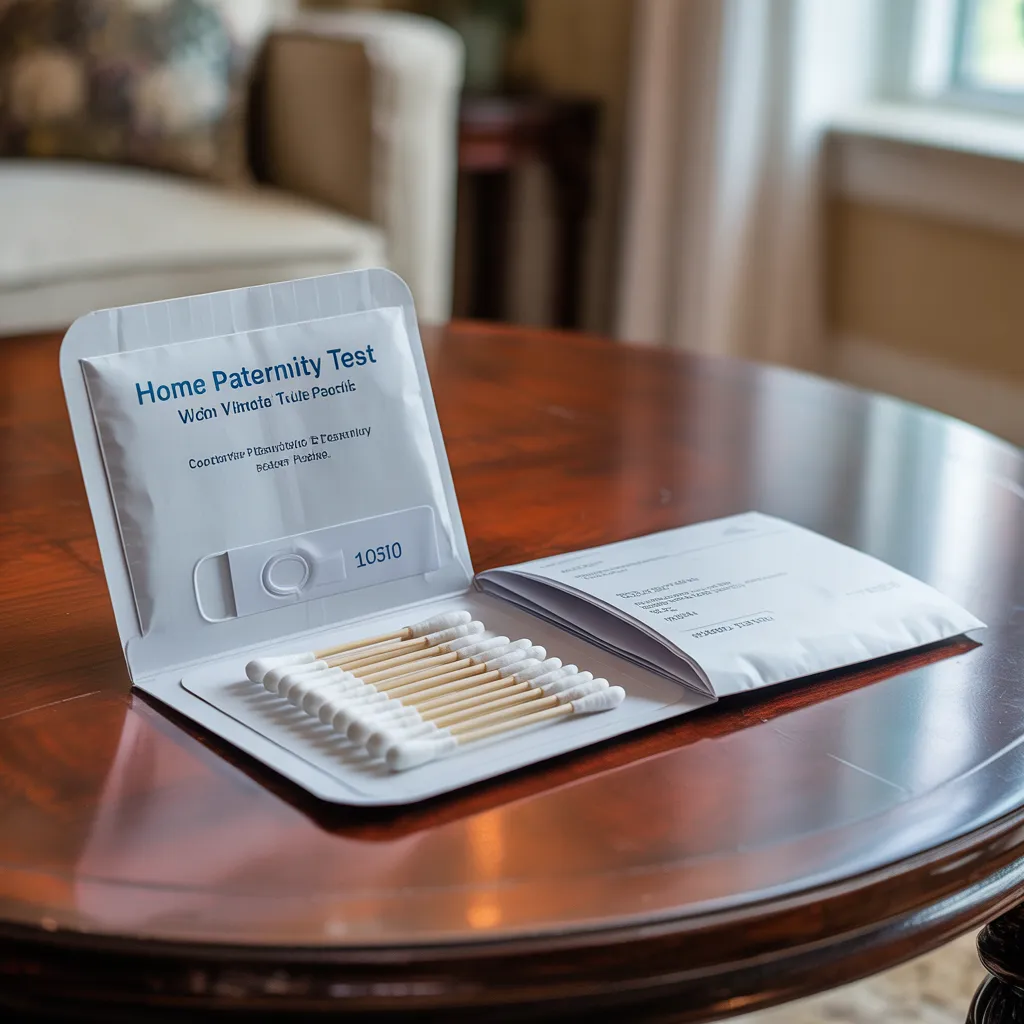
Home-based paternity tests present an accessible option for individuals seeking to confirm biological relationships without the need for laboratory visits. Such tests commonly employ an easy method involving the collection of DNA samples, frequently using buccal swabs collected from both the alleged father and child. Once the samples are collected, they are forwarded to a genetics laboratory, where advanced genetic analysis is conducted.
The assessments identify particular DNA markers to determine whether there is a biological connection between the parties involved. Most home paternity test kits provide instructions for sample collection and tamper-proof packaging for sending samples. Outcomes are generally provided within a short timeframe, allowing individuals to receive answers promptly. Even though these tests are widely available and straightforward, it is essential to evaluate various factors that may influence their reliability and accuracy, a topic that will be addressed in later portions of this content.
Comparing the Accuracy of Home and Lab Paternity Tests?
The reliability of paternity examinations may vary substantially between home testing kits and those conducted in professional laboratories. Consumer paternity testing kits generally claim to provide results boasting an accuracy rate of over 99%. Yet, such results are commonly reliant on proper sample collection and adherence to instructions. Mistakes in specimen management may result in incorrect findings.
On the other hand, laboratory tests employ highly refined methodologies and strict quality controls, typically delivering accuracy rates that reliably surpass 99.9%. Professional labs analyze a larger number of genetic markers, thereby improving the dependability of the findings. Furthermore, they provide professional analysis of the results, minimizing the risk of misinterpretation that may occur with home tests.
In the end, even though home tests provide convenience, laboratory tests deliver a higher level of accuracy and reliability, making them the preferred option for people in need of definitive paternity confirmation.
Elements That Influence the Accuracy of Paternity Test Results
Although many people assume that all paternity tests yield equally reliable results, several factors greatly influence their accuracy. The integrity of the DNA samples gathered plays an essential role; mishandling or sample contamination can lead to unreliable conclusions. Furthermore, the exact testing procedures used by distinct laboratories impacts dependability. Some testing methods assess fewer genetic markers compared to others, which may lead to less conclusive findings.
The timing of testing is also important; conducting a test too early in a pregnancy may yield inconclusive results. Furthermore, the existence of rare genetic markers or mutations may complicate the analysis of results. The emotional state of individuals involved can inadvertently impact sample collection, as heightened anxiety may cause mistakes during collection. Lastly, the standing and accreditation of the testing center are of great importance; well-established laboratories follow rigorous quality standards, producing more dependable results than lesser-known facilities. Together, these elements significantly influence the reliability of paternity test results.
Benefits and Drawbacks of Home Paternity Tests
How do home paternity tests measure up against conventional laboratory alternatives? Home paternity tests offer several advantages, including convenience and privacy. They allow individuals to collect samples in the comfort of their homes, eliminating the need for medical appointments. Furthermore, these tests are typically less expensive than laboratory alternatives, making them available to a wider range of people.
Nevertheless, there are considerable drawbacks. The precision of home tests can differ significantly, often depending on the brand and testing method. Unlike accredited labs, which copyright strict testing protocols, home tests may fall short of the same standards of precision and consistency. In addition, results from home tests are usually not legally admissible, restricting their applicability in official circumstances, such as court cases or custody battles. All things considered, prospective users should weigh these pros and cons carefully before choosing between a home paternity test versus a conventional lab test.
What Steps Should You Take If Your Results Catch You Off Guard?
When people encounter unexpected results from a home paternity test, it is important to evaluate the emotional effects of these results. Understanding the feelings that arise can aid in navigating the circumstances constructively. Reaching out for professional support may also deliver helpful guidance and perspective during this trying moment.
Gauge Emotional Impact
The revelation of surprising paternity test results can stir up a complex tapestry of emotions, stretching from confusion to clarity. Those affected might encounter disbelief, confusion, or even anger, particularly if the results challenge longstanding beliefs or family narratives. These reactions are often intensified by concerns about one's sense of self and family connections. It is vital to recognize these emotions, as they can profoundly influence mental well-being. Processing the emotional fallout may require careful thought and personal examination, allowing individuals to reflect on their circumstances and consider the implications of the results. Connecting with trusted friends or family members can provide essential support, while keeping a journal or pursuing creative endeavors may help in navigating these challenging feelings.
Consult Professional Guidance
Unanticipated paternity test results can result in individuals dealing with overwhelming emotions, prompting the need for further support. In such situations, professional guidance becomes increasingly important. A certified mental health professional can help individuals process their feelings, creating a secure environment to address complex emotions such as shock, anger, or confusion. Furthermore, consulting with a genetic counselor can help explain the significance of the findings, guiding individuals toward understanding their available choices. It is also recommended to discuss findings with a trusted family member or friend, making certain that the person has companionship during this trying time. In the end, professional support can encourage constructive coping mechanisms and thoughtful decision-making in light of unexpected revelations.
Legal Implications of Home Paternity Test Outcomes
The legal validity of home-based paternity test findings can considerably affect a range of legal matters. Legal authorities routinely evaluate the credibility of these tests, which may influence decisions in custody cases and additional family law issues. Recognizing these possible consequences is essential for people exploring home testing options.
Legal Weight of Results
Numerous people turn to home paternity tests for the privacy and convenience they offer, but the legal standing of these findings can be complicated. Generally, results from home tests are not accepted in a court of law, as they fail to maintain the rigorous chain of custody required for use in legal matters. Courts often require results from accredited laboratories that comply with rigorous standards to maintain accuracy and trustworthiness. Additionally, home-based tests may be unable to deliver definitive proof of paternity, most notably when findings are challenged. Such absence of legal validity can lead to challenges when seeking child support, custody, or inheritance rights. Therefore, while home paternity tests can offer early indications, those involved should remain vigilant regarding the potential legal consequences and seek professional testing when legal issues may arise.
Potential Legal Repercussions
Results from home paternity tests can result in considerable legal repercussions, particularly when individuals attempt to use them in court. Judicial systems generally mandate paternity testing carried out under precise standards to ensure accuracy and evidence integrity. Consequently, results from unregulated home tests may be ruled unacceptable as legal proof. This can jeopardize legal matters such as child custody, inheritance disputes, or parental entitlements, as the legitimacy of the tests may be challenged. Furthermore, dependence on such findings can cause personal and economic hardships for households concerned. Recognizing the restrictions of home tests is essential, as misjudging their findings may result in lengthy court proceedings or detrimental legal results. Expert legal counsel is necessary in maneuvering such intricacies.
Effect on Custody Cases
In what ways can home paternity test results impact custody cases? These test results can significantly influence legal rulings related to child custody. When a home paternity test indicates a biological connection, it may strengthen a father's claim for custody or visitation rights. Conversely, a negative result can undermine a father's case, potentially leading to the loss of parental rights or financial obligations. Judicial systems generally prioritize established legal parentage; as a result, home test results may not be accepted as conclusive evidence. That said, they can trigger further examination or investigation. At the end of the day, while they supply useful perspectives, home paternity tests do not serve as replacements for formal legal proceedings, and their outcomes can vary according to jurisdiction and individual case circumstances.
Questions We Often Receive
Are At-Home Paternity Tests Legally Permitted in Every State?
Home paternity tests are generally legal in most states; however, regulations may vary. It's important for individuals to check local laws and any specific requirements regarding testing, above all when testing is intended for legal or formal purposes.
How Long Will It Take to Achieve Results?
Results from home paternity tests typically take between 3 to 5 business days from the time the laboratory processes the samples. Some companies may offer expedited options, potentially cutting down the processing time for individuals who need answers quickly.
Are Home Tests Acceptable for Legal Purposes?
Home paternity tests commonly fall short of the legal recognition necessary for court use. They may provide reliable results for personal knowledge, but results that are legally admissible necessitate testing performed under stringent chain-of-custody guidelines by certified laboratories.
Do Home Tests Require a Doctor's Supervision?
At-home paternity tests do not require physician oversight. People can purchase and administer these tests independently, although speaking with a medical professional may offer further insight and help clarify the outcomes.
What Should I Know About Testing Multiple Times?
Conducting multiple tests may produce different outcomes owing to factors such as sample collection methods and timing. Being consistent is critical; discrepancies may prompt individuals to seek clinical testing for more trustworthy and definitive results concerning paternity review this content determinations.