At-Home Paternity Tests: What Are Your Next Steps After Receiving Your Results?
Getting results from a home-based paternity test can evoke a variety of emotions. Those involved may sense confusion, relief, or even anxiety as they work through the implications of these outcomes. Positive results can impact custody and support responsibilities, while contradicting outcomes might disrupt existing familial bonds. Understanding how to navigate these complex feelings and the potential legal ramifications is of great importance. What steps should one take next to ensure clarity and support?
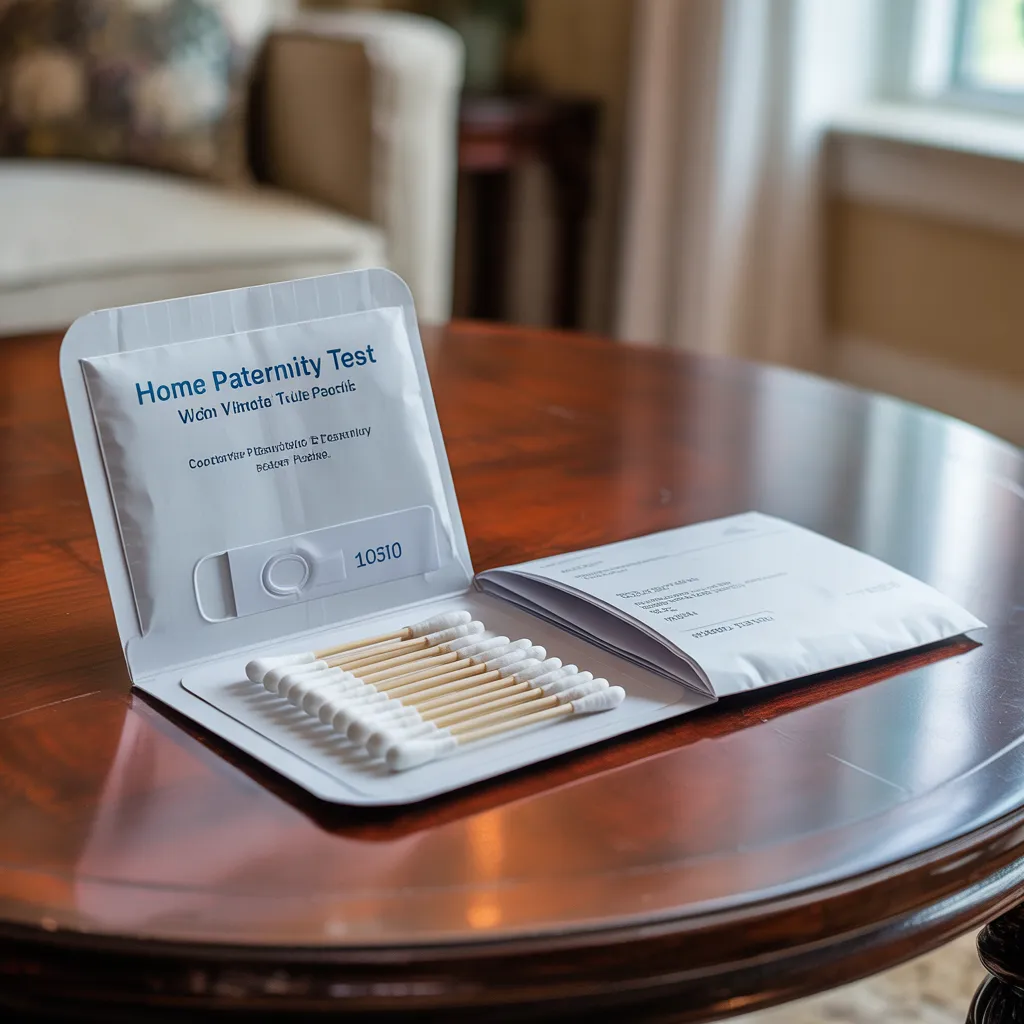
Understanding Your Paternity Test Results
How can one make sense of paternity test results? Understanding these results involves recognizing the key terms and what they indicate. Typically, the test results will show a probability of paternity, often expressed as a percentage. A result of 99.9% or above suggests a high probability that the individual being tested is the biological father. In contrast, a reduced percentage is indicative of non-paternity.
It is crucial to assess the method of testing employed, as certain home kits can differ in their accuracy. Moreover, findings may sometimes be inconclusive, necessitating further testing or expert consultation. Understanding the context surrounding the test—like family circumstances and the purpose of testing—can help shed light on the results. At its core, analyzing paternity test results calls for expertise in genetics and the relevant testing methodology, ensuring that individuals can draw informed conclusions from the data presented.
Navigating Your Emotional Response
Traversing the emotional landscape following a paternity assessment can be complex and challenging. People may experience a whirlwind of sentiments, including anxiety, relief, anger, or confusion. The anticipation building toward the outcome can amplify these feelings, as doubt frequently generates anxiety. When the findings emerge, they may affirm previously held assumptions or shatter previously perceived truths, leading to a deep psychological conflict.
A great number of people find themselves grappling with a sense of identity or familial connection, reflecting on their relationships and personal background. It is essential for individuals to accept these emotions and give themselves the space to work through the information. Practicing self-reflection or reaching out to a trusted friend or professional may prove beneficial during this difficult time. Ultimately, recognizing the validity of one's feelings is an essential step toward emotional healing and clarity in the aftermath of receiving paternity test results.
How to Talk About Your Results With Family
Getting paternity testing results can significantly impact family relationships, prompting the need for careful dialogue. When discussing results, it is essential for those involved to navigate dialogue with empathy and openness. Choosing an suitable time and private setting facilitates a more honest dialogue.
Opening the conversation with an acknowledgment of the possible emotional burden can assist in relieving stress. It is vital to communicate feelings honestly and motivate family members to share their thoughts and concerns without criticism.
Active listening plays a vital role in such conversations, as it cultivates understanding and compassion among family members. It may also be helpful to prepare for a variety of responses, from relief to anger, and prepare to address these emotions calmly. Ultimately, maintaining a focus on love and connection can aid in addressing the difficulties that emerge from the findings, guaranteeing that family ties stay strong.
Legal Concerns Surrounding Paternity Test Results
What are the legal consequences of paternity test results? When a paternity test confirms that a man is the child's biological father, this may have an impact on child support, custody arrangements, and inheritance rights. Legally establishing paternity gives the father the right to visitation and participation in decisions affecting the child's welfare. Conversely, a negative result can relieve a man of responsibilities, such as child support obligations.
Across numerous jurisdictions, at-home paternity tests may not carry the same authority as legally authorized tests, which can make legal proceedings more complex. Should disputes emerge, those involved may need to obtain a court-admissible test to determine paternity. Furthermore, the consequences of such results may encompass emotional distress claims, especially if the results differ from expectations. Recognizing these legal implications is crucial for individuals managing the intricacies involved in paternity testing and its consequences in familial and legal contexts.
Tools for Emotional and Legal Assistance
Navigating the challenges of paternity test results often requires assistance, both emotional and legal. People facing ambiguous findings may find value in therapeutic services that are dedicated to family dynamics and reproductive issues. These professionals can provide guidance through emotions such as confusion, anxiety, or conflict that may develop as a result of test results.
From a legal standpoint, consulting a family law attorney is advisable. These experts can provide guidance on the implications of test results, particularly in matters of custody, child support, and inheritance rights. Furthermore, community support groups or online forums may provide valuable insights and shared experiences, cultivating a feeling of connection and empathy.
Services such as legal aid organizations and helplines can also deliver timely help, helping individuals feel confident in making well-informed choices. Utilizing these services can support a more seamless adjustment during what can be a deeply challenging and emotional journey.
Frequently Asked Questions
How Accurate Are Home Paternity Tests Compared to Lab Tests?
Home-based paternity tests commonly deliver accuracy rates exceeding 99%, on par with lab-based tests. Nevertheless, elements including how samples are handled and the quality of the test may affect outcomes, making certified lab testing a more dependable alternative when seeking accurate and final determinations.
Can Online Companies Be Trusted for Paternity Testing?
Trusting web-based providers for paternity testing depends on their credentials, ratings, and clarity. Credible organizations often provide comprehensive details about their testing procedures and outcomes, enhancing credibility and reliability for potential customers exploring testing services.
Which Samples Are Suitable for Home Paternity Testing?
Home paternity testing typically uses biological samples including saliva, cheek swabs, or blood samples. Such biological specimens provide DNA necessary for precise comparisons between the child and alleged father, ensuring reliable results when processed correctly.
What Is the Timeframe for Receiving Test Results?
The turnaround time for home paternity test results is typically between three to seven business days. Elements like the laboratory's processing speed and delivery times can impact the total time before results become available.
Are There Age Restrictions for Testing Children?
Typically, there are no strict age restrictions for testing children with home paternity tests. However, parental consent is make a move generally required for minors, ensuring ethical considerations are met during the testing process.