The Next Era of Paternity Testing: Breakthroughs in At-Home Kits
The landscape of paternity testing is changing at a remarkable pace, particularly with the rise of home testing kits. These innovations promise greater privacy, convenience, and accessibility. Enhanced DNA analysis and mobile app integration are on the horizon. With changing societal perspectives, more people are looking for answers regarding parentage concerns. This evolution prompts significant inquiries about dependability and ethical consequences, prompting a closer examination of how these advancements will influence family dynamics moving forward.
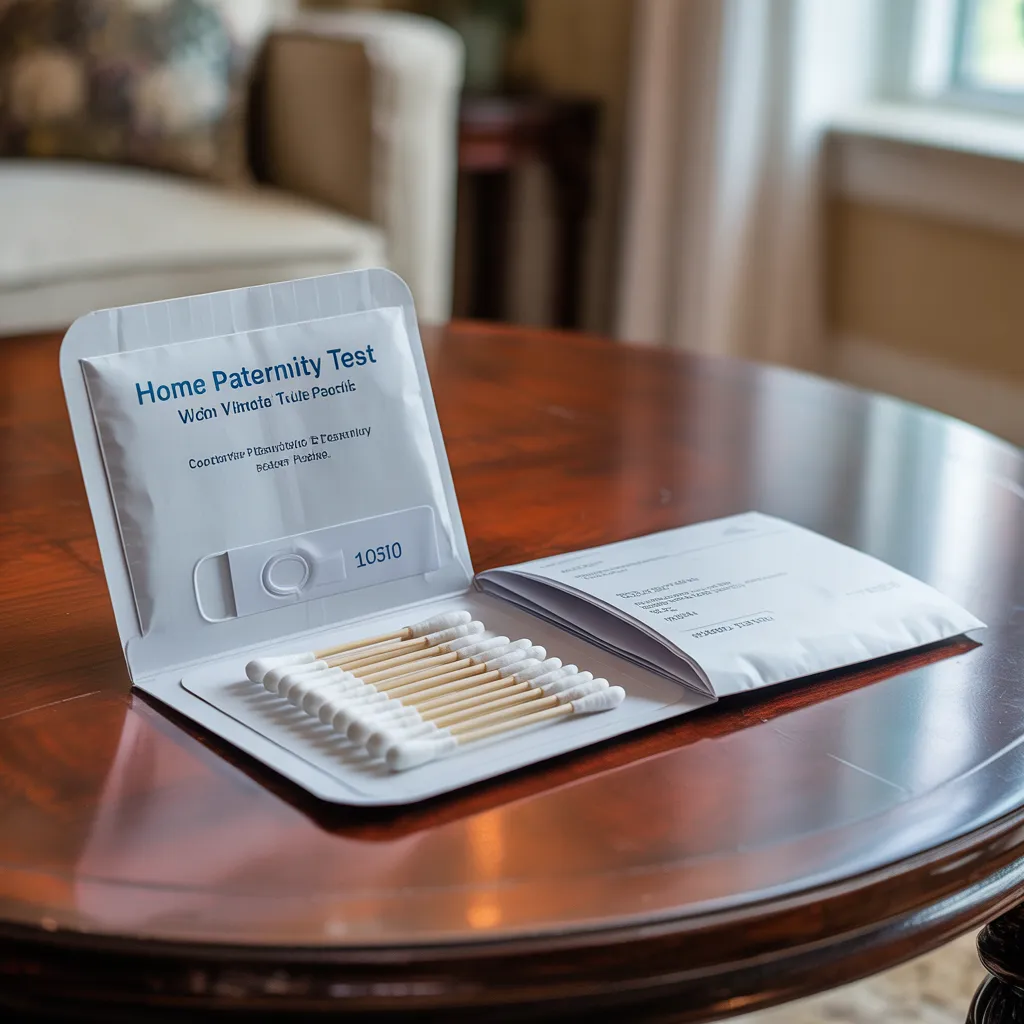
The Increasing Popularity of Home Paternity Testing Kits
The emergence of home paternity testing kits has transformed the domain of genomic testing, providing individuals a discreet and accessible solution for establishing biological connections. Such kits, easily obtainable in stores and online, permit users to obtain DNA samples from their children and themselves without the need for professional assistance. The simplicity of the process has broadened access to paternity testing, enabling people to resolve questions of parentage from the privacy of their own homes.
Advancements in packaging and technological design have improved the precision and dependability of findings, often providing information within a matter of days. Furthermore, the accessible pricing of these home kits has expanded availability to a broader audience, diminishing the social barriers linked to seeking such tests. As cultural expectations change, the growing popularity of home paternity testing kits highlights a rising desire for transparency and personal autonomy in matters of family and identity.
A Step-by-Step Guide to Using Home Paternity Testing Kits
A great number of users discover that using home paternity testing kits uncomplicated and accessible. Initially, participants should ensure they have all necessary components, usually comprising collection swabs, a sample envelope, and comprehensive instructions. Users must proceed to obtain DNA samples, commonly via buccal swabs, ensuring the procedure is efficient and complete to prevent contamination.
Following this, individuals should closely follow the kit's directions for securing and labeling the samples. Precise labeling is critical for ensuring sample integrity. After the samples have been prepared, the samples should be inserted in the provided envelope and forwarded to the specified laboratory, frequently making use of the pre-paid postage options supplied with the kit.
After sending detailed resource in the samples, customers can expect to wait several days to weeks for their results, which are usually obtainable online or through direct communication with the testing company. By following these guidelines provides a hassle-free journey with home paternity testing kits, allowing for dependable findings in a convenient setting.
How Dependable Are At-Home Paternity Tests?
How dependable are home-based paternity tests? The dependability of these tests primarily depends on the quality of the testing kit and the precision of the sample collection method. Leading home paternity test brands advertise accuracy rates above 99%, given that the directions are precisely followed. That said, various elements, such as contamination of the sample or mishandling, have the potential to impact the final results.
Moreover, while numerous test kits use cutting-edge DNA examination technologies, not all are equivalent in quality. Customers should search for tests that are accredited by established laboratories, guaranteeing stringent standards in validation and testing.
It is important to recognize that although home tests provide convenience and privacy, they may not be admissible in legal situations. Therefore, individuals seeking definitive answers for legal purposes should consider professional testing. Overall, home paternity tests have the potential to be accurate, however users should handle them with care and careful judgment.
Addressing Legal and Ethical Challenges in Home Paternity Testing
At-home paternity tests, though offering convenience and privacy, introduce important legal and ethical challenges that individuals must carefully address. A primary concern is the potential for misuse, such as fraudulent claims or disagreements related to custody arrangements and child support. Result accuracy may also affect legal processes, as judges may fail to accept at-home test results without proper validation.
From an ethical standpoint, individuals encounter moral challenges related to consent, especially when minors are involved. Conducting tests without obtaining consent from all parties involved has the potential to cause fractured relationships and psychological anguish. Furthermore, uncovering unexpected parentage can carry deep psychological consequences, reshaping family structures and the sense of self for those involved.
Moreover, the insufficient regulatory oversight in the at-home testing market raises questions about the accuracy of the results offered. Users must be diligent, ensuring they understand the impact of the results and the potential consequences on their lives and relationships.
How Simple Testing Is Transforming Family Relationships
Transforming family dynamics, the widespread availability of paternity testing has changed the way individuals handle parentage and relationships. With home testing kits widely accessible, families can now seek answers to questions about biological connections without the lengthy processes historically linked to such investigations. This availability encourages transparency in familial relationships, promoting honest dialogue about parentage.
As a result, the stigma surrounding paternity doubts decreases, permitting families to tackle problems that may have been hidden for a long time. The opportunity to confirm parentage can lead to more meaningful bonds among family members, as ambiguities are settled. However, this convenience of testing also presents new difficulties; unanticipated discoveries can unsettle formerly secure relationships. As families work through these challenges, the balance between information and psychological effects becomes essential. At its core, simplified testing is revolutionizing discussions about familial identity, confidence, and family ties, creating an dynamic landscape in family dynamics.
Questions We Often Receive
Do Courts Accept Home Paternity Tests?
Home-based paternity tests are commonly rejected in court because of issues regarding reliability and chain of custody. Legal proceedings commonly require tests conducted by certified laboratories to guarantee reliability and adherence to standards.
Are Paternity Tests Possible for Pets?
Pets are able to undergo paternity testing through DNA analysis, which identifies genetic ties. These tests analyze specific markers to confirm lineage, giving breeders and pet owners important details about heritage and health-related matters.
What Is the Price Range for Home Kits?
At-home paternity test kits typically range anywhere from $100 to $300, depending on the specific brand and testing complexity. Costs can vary based on additional features, like rush results or supplementary sample collection choices.
How Long Do Results Take to Receive?
The turnaround time for home paternity testing kits usually ranges between a few days to two weeks. Processing times may vary based on the speed of laboratory processing and the reliability of the mail service chosen for submitting samples.
Are There Age Restrictions for Testing?
Age limitations for paternity testing usually differ according to each provider's policies. In most cases, minors will need parental consent, whereas adults are able to test without any restrictions. Be sure to verify the particular guidelines set by each testing provider.