The Future of Paternity Testing: Breakthroughs in At-Home Kits
The landscape of paternity testing is changing at a remarkable pace, most notably due to the emergence of home-based testing kits. These innovations promise greater privacy, convenience, and accessibility. Improved DNA examination and mobile application integration are just around the corner. As public viewpoints continue to evolve, individuals are more frequently pursuing resolution on parentage matters. This evolution prompts significant inquiries about dependability and ethical consequences, driving a more thorough analysis of how these innovations will impact family structures going forward.
The Emergence of Home Paternity Testing Kits
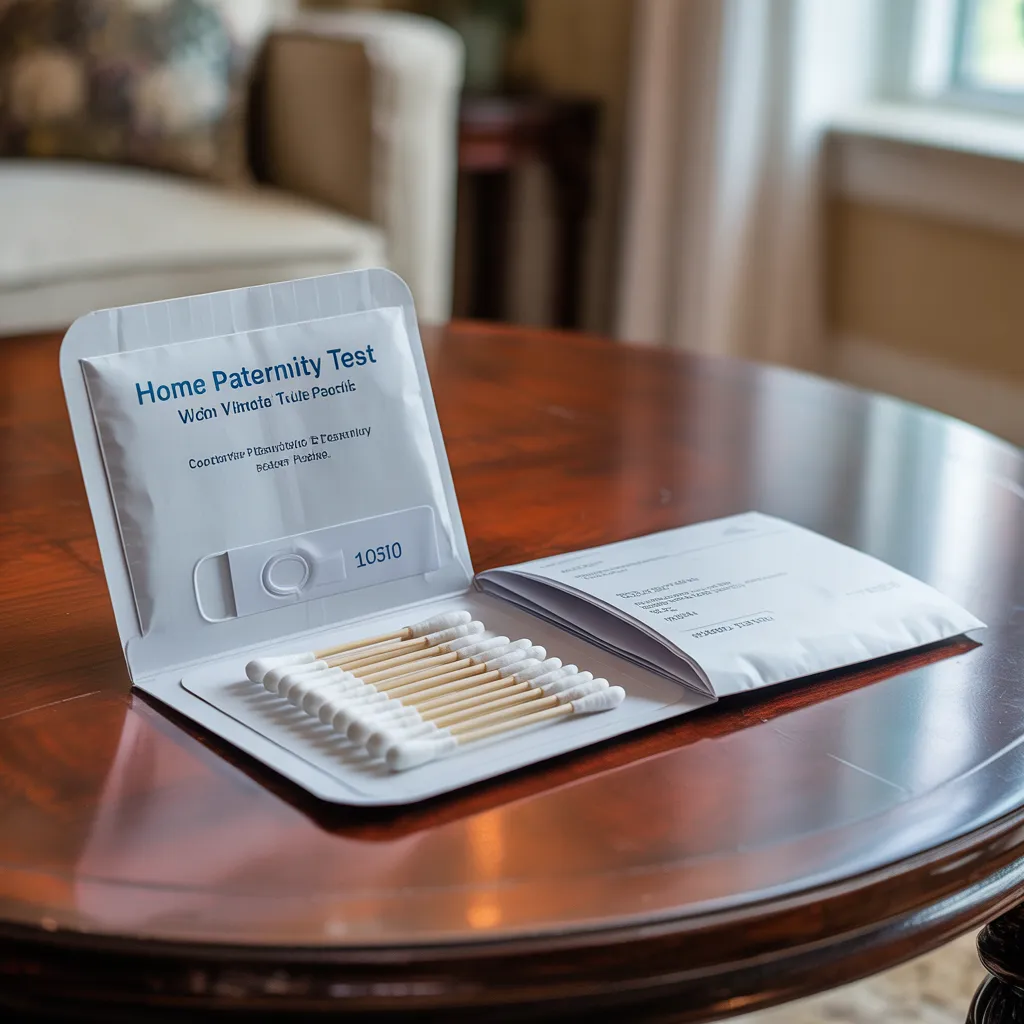
The emergence of home paternity testing kits has transformed the landscape of genetic testing, providing individuals a practical and confidential solution for identifying genetic relationships. Such kits, easily obtainable online and in stores, allow users to obtain DNA samples from themselves and their children without requiring professional help. The ease of the procedure has democratized access to paternity testing, allowing individuals to answer questions about parentage from the privacy of their own homes.
Innovations in technology and packaging have enhanced the reliability and accuracy of outcomes, frequently delivering insights within a few days. Furthermore, the cost-effectiveness of these testing kits has expanded availability to a wider demographic, alleviating the social barriers linked to seeking such tests. As social standards shift, the growing popularity of at-home paternity test kits reflects a increasing need for openness and individual empowerment in family and identity matters.
How to Use Home Paternity Testing Kits: A Step-by-Step Guide
A great number of users find the process of using at-home paternity test kits uncomplicated and accessible. Initially, participants should ensure they have all required items, which generally consist of collection swabs, a sample envelope, and comprehensive instructions. They are then required to gather DNA specimens, usually through cheek swabs, ensuring the procedure is efficient and complete to prevent contamination.
Following this, one should carefully observe the provided guidelines for securing and labeling the collected samples. Precise labeling is critical for upholding the integrity of the samples. Upon preparation of the samples, they should be placed in the designated envelope and shipped to the appropriate laboratory, frequently making use of the pre-paid postage options supplied with the kit.
Following the mailing process, people usually wait a few days to several weeks for their results, which may be accessible via the company's online portal or through direct contact with the testing provider. Completing these steps ensures a straightforward journey with home-based paternity testing kits, facilitating precise results in a familiar and comfortable environment.
How Dependable Are At-Home Paternity Tests?
How trustworthy are home paternity tests? The reliability of these tests largely copyrights on the quality of the kit and the accuracy of the sample collection process. The majority of well-regarded home paternity tests report accuracy rates of over 99%, as long as the instructions are carefully adhered to. That said, various elements, such as contamination of the sample or mishandling, have the potential to impact the final results.
In addition, while a number of kits leverage state-of-the-art DNA testing technologies, not all are equivalent in quality. Customers should look for tests that are accredited by credible laboratories, confirming strict standards in validation and testing.
It is important to recognize that despite home tests offering both convenience and privacy, they may not be admissible in legal situations. Consequently, those requiring conclusive results for legal matters should pursue professional testing. Overall, home paternity tests may prove to be dependable, yet individuals must use them with prudence and careful consideration.
Addressing Legal and Ethical Challenges in Home Paternity Testing
Residential paternity tests, though offering convenience and privacy, present notable legal and ethical concerns that individuals must carefully address. A primary concern is the potential for misuse, including fraudulent claims or disputes regarding custody and child support. Result accuracy may also affect legal processes, as legal authorities may not acknowledge at-home test results without adequate verification.
From an ethical standpoint, users face dilemmas surrounding consent, most notably when underage individuals are concerned. Proceeding with testing in the absence of full consent from all individuals may result in damaged relationships and significant emotional turmoil. Moreover, uncovering unexpected parentage can carry deep psychological consequences, influencing family relationships and personal identities.
In addition, the insufficient regulatory oversight in the at-home testing market calls into question the reliability of the information provided. People must be diligent, ensuring they understand the significance of the results and the potential consequences on their well-being and personal connections.
How Simple Testing Is Transforming Family Relationships
Revolutionizing familial structures, easy access to paternity testing has shifted the way individuals navigate parentage and relationships. With home testing kits easily accessible, people can now seek answers to questions about biological connections without the lengthy processes historically linked to such questions. This accessibility fosters clarity in family structures, facilitating candid conversations about biological origins.
As a result, the shame surrounding paternity concerns diminishes, encouraging families to tackle matters that may have gone unresolved for extended periods. The chance to establish parentage can lead to deeper bonds among family members, as uncertainties are resolved. However, this accessibility of testing also raises new challenges; unforeseen findings can unsettle formerly secure relationships. As families navigate these difficulties, the harmony between awareness and emotional impact becomes vital. Fundamentally, simplified testing is transforming dialogues about familial identity, faith, and connection, generating an evolving context in family dynamics.
Popular Questions Answered
Do Courts Accept Home Paternity Tests?
At-home paternity tests are generally inadmissible in court because of questions surrounding accuracy and chain of custody. Legal cases comprehensive guide commonly require testing performed by accredited testing facilities to ensure accuracy and compliance with established standards.
Are Paternity Tests Possible for Pets?
Yes, pets can be tested for paternity through DNA testing, which establishes genetic relationships. Specific genetic markers are analyzed in these tests to verify lineage, providing breeders and pet owners with essential insights into ancestry and health factors.
What Are the Typical Costs for Home Kits?
Home paternity testing kits usually fall from $100 to $300, according to the brand and type of test. Costs can vary based on extra features, like expedited results or extra sample collection options.
How Long Do Results Take to Receive?
The turnaround time for home paternity testing kits usually ranges between a few days to two weeks. Delays may occur depending on how quickly the laboratory processes samples and the dependability of the postal service used to send them.
Do Age Restrictions Apply to Testing?
Age restrictions for paternity testing typically depend on the provider's policies. Generally, minors may require parental consent, while adults can test without limitations. It is important to review the specific requirements of each testing service.