The Next Era of Paternity Testing: Breakthroughs in At-Home Kits
The landscape of paternity testing is changing at a remarkable pace, most notably due to the emergence of home-based testing kits. Such advancements offer enhanced privacy, convenience, and accessibility. Improved DNA examination and mobile application integration are just around the corner. As societal attitudes shift, individuals are increasingly seeking clarity on parentage issues. This transformation raises important questions about reliability and ethical implications, encouraging a deeper look at how these developments will shape family relationships in the future.
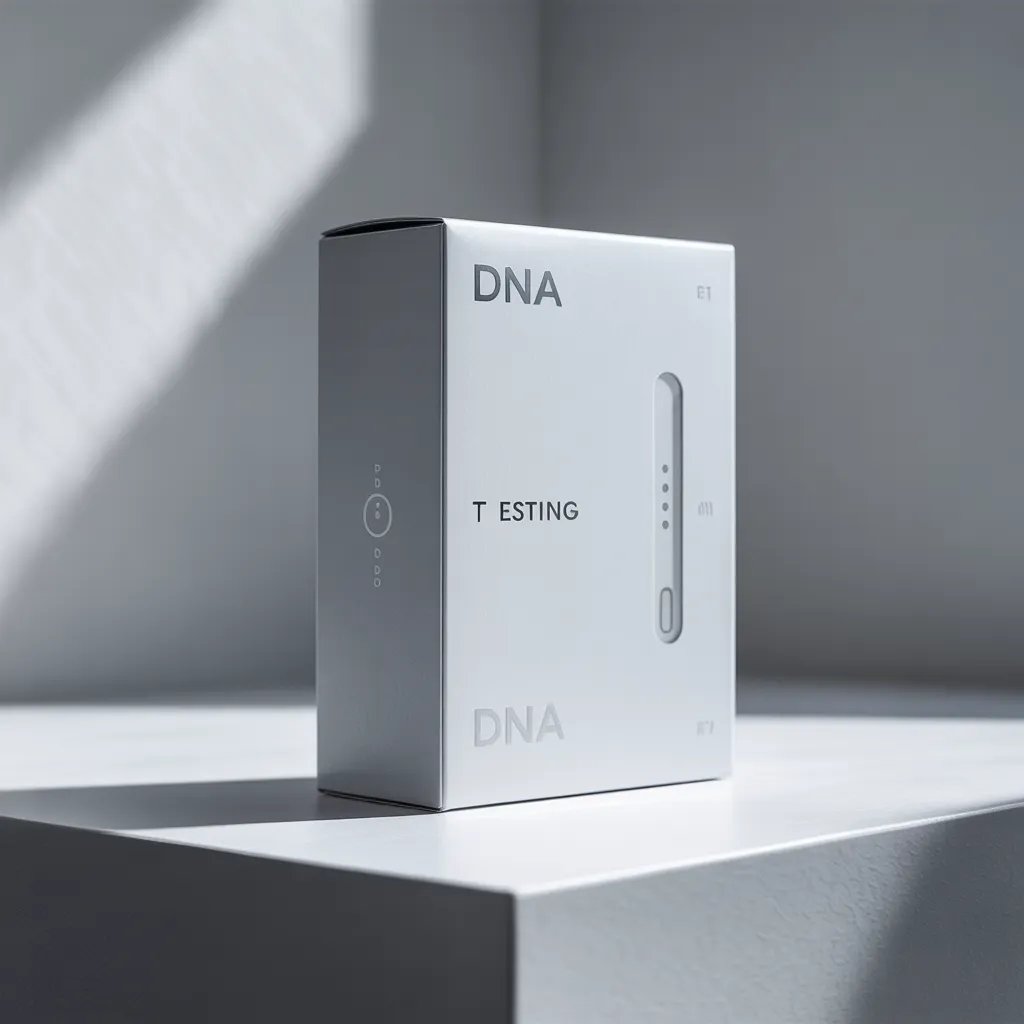
The Rise of Home-Based Paternity Testing Kits
The emergence of at-home paternity testing kits has reshaped the landscape of genomic testing, offering individuals a practical and confidential solution for establishing biological connections. These kits, easily obtainable online and in stores, allow users to gather DNA specimens from themselves and their children without the need for professional assistance. The simplicity of the process has made more accessible paternity testing, enabling people to address parentage concerns within the comfort of their own households.
Breakthroughs in technology and packaging have enhanced the reliability and accuracy of findings, regularly offering insights within a few days. Additionally, the affordability of these kits has made them accessible to a larger population, reducing the social barriers linked to pursuing these tests. As social standards shift, the growing popularity of residential paternity testing solutions signals a growing demand for openness and individual empowerment in family and identity matters.
Using Home Paternity Testing Kits: A Complete Step-by-Step Guide
Many individuals consider using residential paternity testing kits straightforward and user-friendly. To begin, they must confirm they possess every needed element, which generally consist of testing swabs, a submission envelope, and thorough guidelines. They are then required to gather DNA specimens, usually through cheek swabs, ensuring the procedure is efficient and complete to prevent contamination.
Following this, one should carefully observe the kit's instructions for securing and labeling the samples. Precise labeling is critical for ensuring sample integrity. When the samples are ready, the samples should be inserted in the supplied envelope and forwarded to the specified laboratory, typically utilizing the pre-paid shipping options provided in the kit.
Following the mailing process, customers generally wait several days to weeks for the results to arrive, which can typically be accessed through the company's website or by reaching out to the testing service directly. Completing these steps supports a seamless process with home-based paternity testing kits, facilitating dependable findings in a comfortable setting.
How Reliable Are Home Paternity Tests?
How reliable are at-home paternity tests? The dependability of these tests primarily depends on the quality of the testing kit and the precision of the sample collection method. Leading home paternity test brands advertise accuracy rates above 99%, given that the directions are precisely followed. However, potential variables, such as sample contamination or improper handling, can affect results.
In addition, while a number of kits leverage sophisticated DNA examination technologies, not all are of the same quality. Individuals should pursue tests that are approved by recognized laboratories, verifying thorough standards in validation and testing.
It is essential to note that although home tests provide convenience and privacy, they are often not recognized in legal contexts. Consequently, people who need authoritative answers for legal reasons should opt for professional testing. In general, home paternity tests can be reliable, however users should handle them with care and careful judgment.
Addressing Legal and Ethical Challenges in Home Paternity Testing
Home paternity tests, though offering convenience and privacy, raise significant legal and ethical considerations that users must navigate. A key issue is the risk of improper use, including fraudulent claims or disputes related to custody arrangements and child support. The accuracy of results could further influence court proceedings, as judges may fail to accept home test outcomes in the absence of proper authentication.
Ethically, people are confronted with ethical dilemmas concerning consent, especially when minors are involved. Conducting tests without obtaining consent from all parties involved may result in damaged relationships and significant emotional turmoil. Furthermore, the psychological implications of discovering unexpected parentage can be profound, affecting family dynamics and individual identities.
Furthermore, the lack of regulatory control in the at-home testing market calls into question the dependability of the information provided. Consumers must be attentive, ensuring they recognize the meaning behind the results and the likely repercussions on their well-being and personal connections.
How Easy Testing Is Shaping Family Relationships
Revolutionizing familial structures, easy access to paternity testing has changed the way people approach parentage and relationships. With at-home testing options widely accessible, families can now obtain answers to questions about biological ties without the lengthy processes traditionally associated with such investigations. This availability encourages transparency in familial relationships, promoting open discussions about biological origins.
Thus, the social stigma associated with paternity uncertainties lessens, allowing families to tackle problems that may have remained unaddressed for years. The ability to verify parentage can foster more meaningful connections presentation among family members, as questions are clarified. However, this simplicity of the testing process also brings about new obstacles; unexpected results can strain formerly secure relationships. As families work through these difficulties, the interplay between awareness and emotional consequences becomes vital. Ultimately, simplified testing is redefining narratives about personal identity, trust, and family ties, creating an ever-changing landscape in family dynamics.
Frequently Asked Questions
Do Courts Accept Home Paternity Tests?
At-home paternity tests are commonly inadmissible in court because of questions surrounding chain of custody and accuracy. Legal cases commonly require assessments carried out by accredited laboratories to ensure reliability and adherence to standards.
Are Paternity Tests Possible for Pets?
Pets are able to undergo paternity testing through DNA analysis, which confirms genetic connections. Such tests examine particular markers to establish ancestry, offering valuable information for breeders and pet owners regarding ancestry and health considerations.
What Is the Price Range for Home Kits?
At-home paternity test kits typically range anywhere from $100 to $300, depending on the brand and type of test. Pricing may differ based on additional features, including rush results or supplementary sample collection choices.
How Long Does It Take to Receive Results?
Home paternity testing kit results generally take between a few days to two weeks. Processing times may vary based on how quickly the laboratory processes samples and the dependability of the postal service used to send them.
Are There Any Age Requirements for Testing?
Age restrictions for paternity testing typically depend on the provider's policies. Typically, those under the age of majority may need parental approval, while adults can proceed without limitations. Be sure to verify the particular guidelines set by each testing provider.