Fat Injection Breast Augmentation: A Natural Approach to Augmentation
Fat transfer breast enhancement provides a distinct alternative to traditional implants. By employing the individual's natural fat, this technique aims to increase breast size while contouring other body regions. The treatment is attracting interest due to its natural-looking outcomes and lower risk of complications. However, concerns about eligibility and possible complications persist. Comprehending these factors can offer insight on whether this method is suitable for personal aesthetic objectives.

How Does Autologous Fat Breast Enhancement Function?
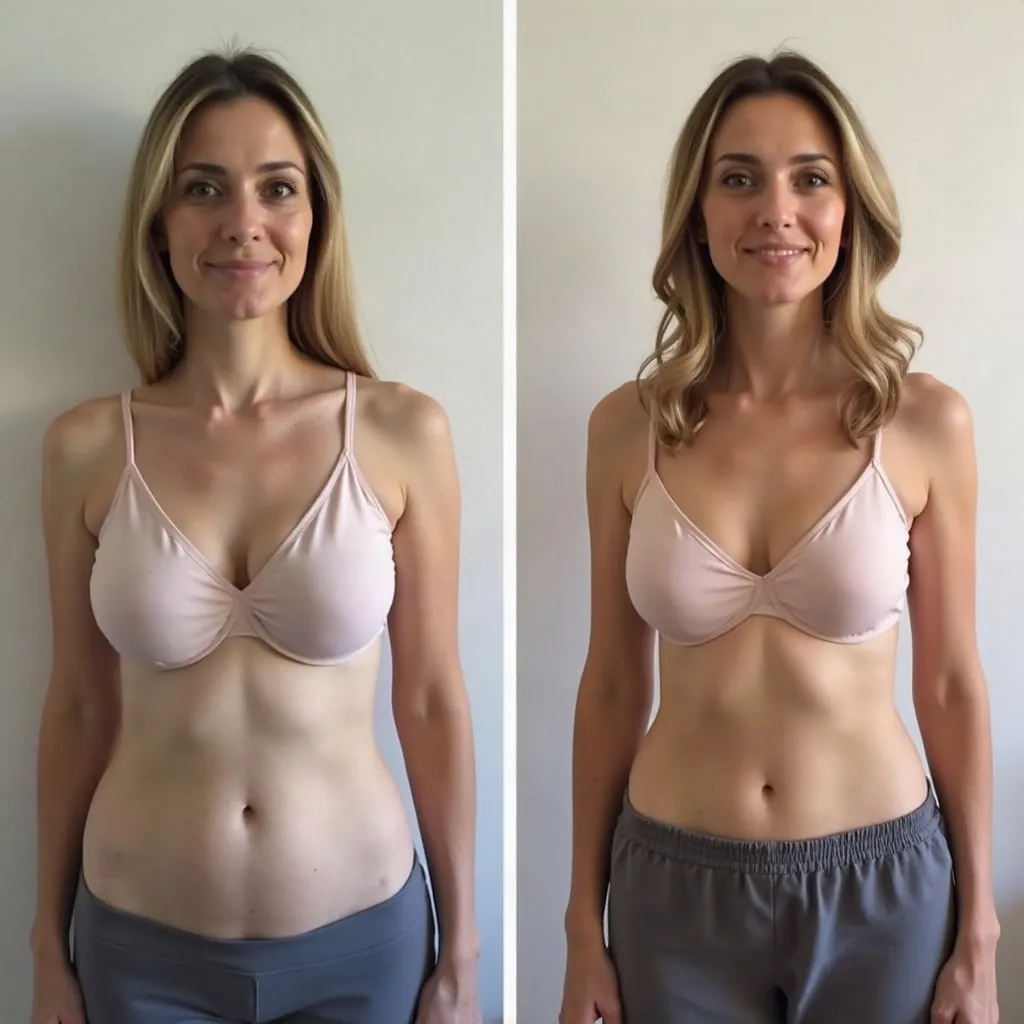
Fat transfer breast enlargement, also known as autologous fat grafting, is a cosmetic procedure that boosts breast volume using the patient's own body fat. This method involves two main steps: fat removal and fat injection. First, fat is harvested from areas of the body where excess fat is available, such as the abdomen or thighs. The harvested fat is then processed to remove impurities before being injected into the breast tissue.
One of the primary benefits of this technique is that it uses the patient's own biological material, which can lead to a more natural feel and appearance. Additionally, patients benefit from body contouring in the areas where fat is removed. While the procedure can increase breast size, it also provides delicate shaping and contouring, making it a popular option among people seeking a more comprehensive approach to breast enhancement. Overall, it represents an advanced option in cosmetic surgery.
Pros of Preferring Fat Transfer Versus Implants
Opting for autologous fat breast augmentation delivers numerous advantages compared to standard implants, rendering it an desirable alternative for many people. One significant benefit is the utilization of the patient's own body fat, which lowers the risk of allergic reactions or rejection related to foreign materials. This method produces a more natural appearance and feel, as the fat integrates seamlessly with existing tissue.
Additionally, fat transfer can supply body contouring benefits, permitting for enhancements in multiple areas where unwanted fat is removed. The recovery process tends to be more minimally invasive, with minimal scarring compared to implants.
Moreover, individuals frequently undergo a more gradual and natural boost, as the effects can be tweaked through repeated treatments. Ultimately, fat transfer breast augmentation constitutes a holistic approach to cosmetic improvement, honoring the desires of those desiring a more organic and personalized conclusion.
Grasping the Potential Issues Related to Fat Transfer Breast Augmentation
While fat transfer breast augmentation offers numerous benefits, it is important to recognize the potential dangers associated with the procedure. One primary issue is the potential of fat necrosis, where transferred fat cells die and form lumps, leading to complications in detection during mammograms. Additionally, there is a risk of variable results, as the body may resorb varying amounts of the transferred fat, resulting in imbalance. Infection is another potential risk, especially at the liposuction site, which can complicate recovery and lead to further interventions. Furthermore, some patients may experience scarring from the liposuction procedure. Finally, allergic reactions or complications from anesthesia, while rare, can occur. Understanding these risks is essential for individuals contemplating fat transfer breast augmentation, as it allows informed decision-making regarding their aesthetic goals and health.
Who Is an Perfect Candidate for Fat Grafting?
Determining the ideal candidate for breast augmentation via fat transfer involves examining distinct body composition aspects and total health. Candidates should retain sufficient fat deposits for harvesting while maintaining a stable weight. Additionally, a healthy living takes on an critical function in assessing eligibility for this procedure.
Body Type Aspects
When assessing fat transfer breast augmentation, people with certain body types are more likely to be appropriate candidates for this procedure. Typically, candidates should have adequate body fat in areas such as the abdomen, thighs, or hips to facilitate effective harvesting. Those with a balanced body composition, especially those who are not overly lean, often achieve excellent results. Additionally, women with a smaller breast size seeking a slight enhancement may benefit most from this technique, as it allows for a subtle and natural look. It is important for potential candidates to have reasonable expectations regarding the volume of enhancement achievable through fat transfer, as this method is not designed for significant size increases.
Health and Daily Habits Factors
For those exploring fat transfer breast augmentation, certain health and lifestyle factors are important in determining ideal candidacy. Candidates should be in good overall health, as underlying medical conditions may complicate the procedure and recovery. A stable weight is also necessary; significant fluctuations can affect the results and longevity of the transferred fat. Additionally, individuals who follow a healthy lifestyle, including consistent exercise and a nutritious diet, tend to have more favorable outcomes. Non-smokers are preferred since smoking can hinder healing and fat survival rates. It is vital for candidates to have realistic expectations regarding the results and understand that multiple sessions may be required to reach the desired volume and shape.
The Cellular Transfer Approach Presented
The adipose relocation process involves a exacting technique that improves breast volume through the individual's own body fat. From the start, the medical professional identifies donor sites, commonly the abdomen, thighs, or buttocks, where excess fat can be harvested. Making use of mechanical fat removal, the fat is gently extracted, guaranteeing minimal disruption to surrounding tissues.
After gathering, the fat goes through a refinement process to separate viable cells from excess fluids and debris. This refined adipose tissue is then carefully injected into the breast tissue. Surgeons often employ a layered approach, placing small amounts of fat at various depths to achieve a natural appearance and even distribution.
Throughout the treatment, precision is vital to prevent complications and assure ideal results. The entire operation typically lasts a few hours, subject to the volume of fat transferred and the complexity of the procedure, allowing for a customized enhancement suited to each individual's anatomy and desired outcome.
What to Anticipate During Healing and Results?
Following fat transfer breast augmentation, patients can expect clear instructions for early surgical recovery to assure ideal healing. The typical recovery timeline fluctuates, with many individuals returning to normal activities within a few weeks. Extended outcomes will rely on various factors, including personal recovery rates and personal decisions.
In the Moments After Your Operation Support
Managing the initial post-operative period after fat transfer breast augmentation is necessary for optimal recovery and results. Patients commonly encounter swelling, bruising, and some discomfort in the treated areas. It is essential to adhere to the surgeon’s instructions concerning activity restrictions, as rest helps healing. Compression garments may be suggested to help maintain the newly enhanced contours and lessen swelling. Applying ice packs can ease discomfort and decrease inflammation. Patients should also keep an eye on incision sites for infection signs, such as increased redness or discharge. Drinking plenty of fluids and having a balanced diet get the full story are recommended for recovery. Even though initial results may be seen, it is important to realize that final outcomes will change as swelling decreases and the body adapts to the transferred fat.
Common Recovery Schedule
Recovery from fat transfer breast augmentation occurs over several weeks, marked by incremental improvement and shifting results. Initially, patients may experience swelling, bruising, and discomfort in both the breast and donor sites. The first week typically entails restricted activity to enable the body to recover properly. Most individuals can get back to light daily activities within a week, while strenuous exercise should be avoided for at least three to four weeks.
Sustained Performance Expectations for Ongoing Results
During the weeks that come after surgery, patients begin to notice a more elegant fullness and contour in their breasts. The early inflammation typically subsides, exposing results that look more natural and harmonious with their body. Most patients can anticipate a slow enhancement in shape over several months as the transferred fat settles.
Long-term sustainability remains generally stable, with many enjoying enhanced breast size for years, provided they maintain a healthy lifestyle. However, it is essential to acknowledge that individual factors, such as body weight variations and time's effects, can alter longevity. Ongoing appointments with the surgeon are advisable to assess changes and manage any concerns. Ultimately, patients typically perceive that fat transfer offers a pleasing, natural enhancement.
Financial Breakdown of Fat Transfer versus Implants
When considering breast augmentation possibilities, the price analysis between fat transfer and implants is important in decision-making. Fat transfer breast augmentation generally costs from $6,000 to $12,000, including the costs of liposuction, anesthesia, and facility fees. The procedure requires extracting fat from another area of the body, which increases the overall expense. Conversely, implant surgery typically ranges between $5,000 and $10,000, depending on the type of implants chosen and the surgeon's expertise. While implants may have a reduced initial expense, they often require additional expenses for future maintenance, such as replacements or adjustments. Insurance seldom includes either option, emphasizing the importance of budgeting. Ultimately, patients must balance the initial costs against potential long-term expenses and desired outcomes when choosing between fat transfer and implants for breast augmentation.
Typical FAQ Inquiries
What Timeframe Can You Expect From Fat Transfer Breast Enlargement?
Fat transfer breast augmentation results can last several years, depending on factors like individual metabolic rate, daily habits, and the amount of fat successfully grafted. Some individuals may require follow-up procedures to preserve desired volume over time.
Can Fat Transfer Improve Shape and Size At the Same Time?
Yes, fat transfer can magnify both shape and size at once. The procedure supports focused enhancement, creating natural contours while maximizing volume, achieving a more sculpted and aesthetically desirable appearance for the individual.
Will Losing Weight Change the Effectiveness of Fat Transplantation?
Body weight reduction can influence the results of fat transfer, as major cuts in body fat may result in diminished fullness in the transferred areas. Maintaining a steady weight is advisable for ideal long-term outcomes.
Is Autologous Fat Grafting Appropriate for Larger Breast Sizes?
Fat transfer could be suitable for larger bust areas, although results may vary contingent on individual anatomy and desired enhancement. Advice with a qualified professional is important to assess feasibility and assure favorable results.
What Will Occur if I Gain Kilograms Following the Surgery?
If a person puts on weight after the surgery, the transferred fat may expand, potentially altering breast appearance. Nevertheless, overall body weight changes can also affect breast contour and size differently for each individual.